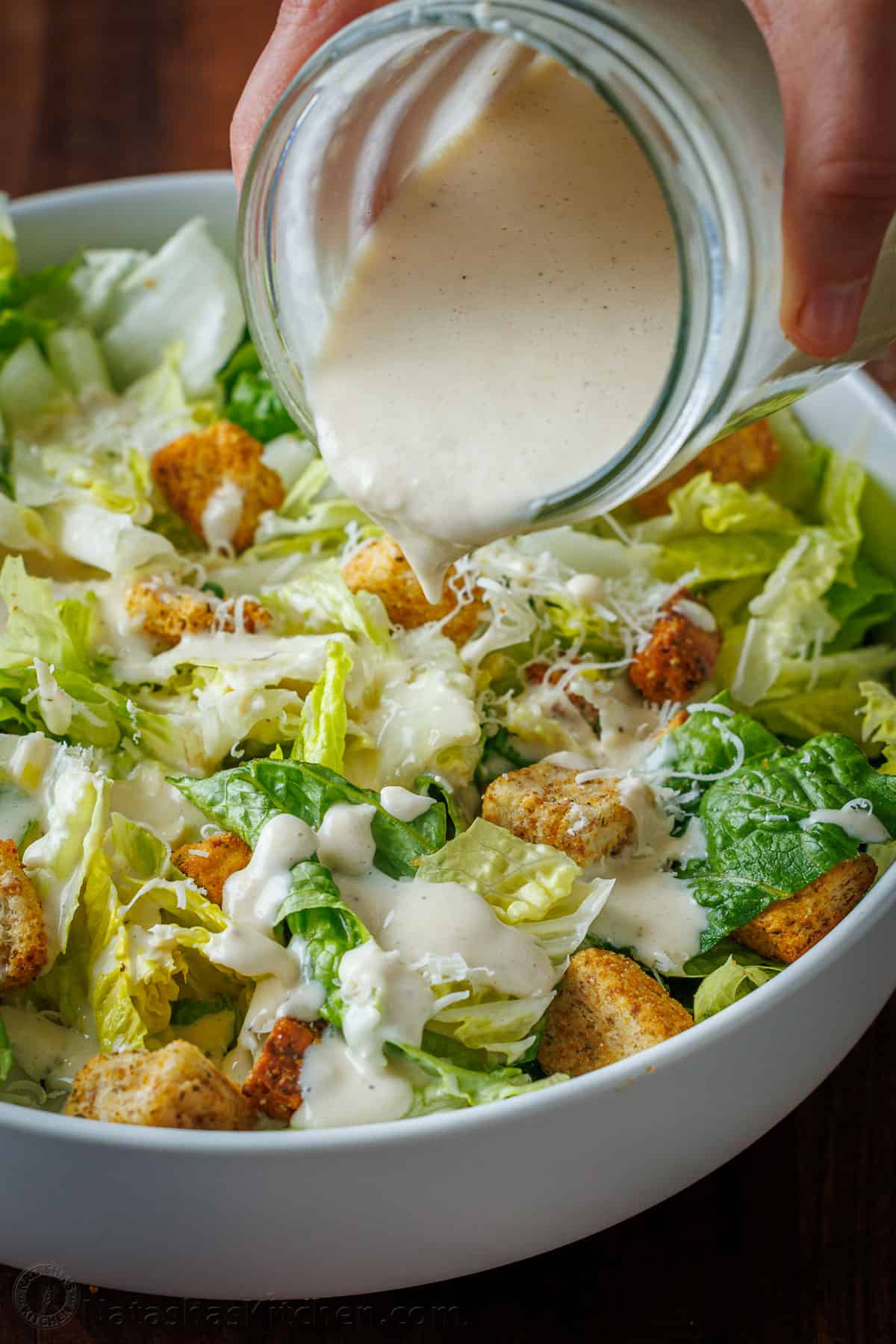
Your Perfect Caesar Dressing: A Journey of Customization
The Caesar salad, with its crisp romaine, crunchy croutons, and generous dusting of Parmesan, holds a hallowed place in culinary history. But what truly elevates this classic from good to unforgettable is its dressing. For many, the mere mention of a homemade
caesar dressing recipe conjures images of creamy, tangy, garlicky perfection. Yet, achieving that ideal balance can be a highly personal quest, often sparking lively debate among home cooks and connoisseurs alike. What makes a Caesar dressing truly yours? It's all about understanding the core components and fearlessly customizing them to fit your palate and preferences.
The Enduring Appeal of Caesar Dressing: Why We Love It
Originating in Tijuana, Mexico, the Caesar salad was reputedly created by Italian immigrant restaurateur Caesar Cardini. Its genius lies in its simplicity and the synergy of its few, powerful ingredients. The magic happens when pungent garlic, bright lemon, savory Parmesan, and that distinctive umami depth coalesce into a dressing that coats every leaf with rich flavor. This complex profile—simultaneously tangy, savory, and a touch spicy—is what makes it a perennial favorite.
However, the journey to the *perfect* Caesar dressing isn't a one-size-fits-all endeavor. Some prefer a thick, almost spoonable consistency, while others lean towards a lighter, more vinaigrette-like texture. And then there are the ingredients themselves, particularly two of the most hotly contested: eggs and anchovies. The good news? Crafting your ideal
caesar dressing recipe is not only possible but surprisingly straightforward, offering ample room for personalization without sacrificing flavor or safety.
The Great Egg Debate: To Use or Not to Use in Your Caesar Dressing Recipe
Traditionally, raw egg yolks are a cornerstone of many classic Caesar dressings. They contribute a luxurious richness and act as a powerful emulsifier, binding the oil and water-based ingredients into a smooth, creamy concoction. However, the inclusion of raw eggs comes with a few considerations that lead many to seek alternatives.
The primary concern is the risk of foodborne illnesses, particularly salmonella. While modern food safety standards have reduced this risk, it remains a valid concern for certain demographics: pregnant individuals, young children, the elderly, and anyone with a compromised immune system. Furthermore, dressings made with raw eggs have a significantly shorter shelf life, typically only lasting a day or two in the refrigerator.
So, how can you achieve that coveted creaminess without the raw egg?
*
Mayonnaise: Your Safe and Easy Solution: This is arguably the smartest and most popular substitute. Mayonnaise is essentially an already-emulsified mixture of oil and *pasteurized* egg yolks. It instantly provides the rich body and silky texture that raw eggs offer, without any of the associated risks. A few tablespoons can transform your dressing, making it thicker and more viscous.
*
Dijon Mustard for Emulsification and Tang: Even if you opt for mayonnaise, a teaspoon of Dijon mustard works wonders. Beyond its sharp, tangy flavor, Dijon contains natural emulsifiers that help keep your dressing stable and prevent separation. For those who prefer a lighter, more vinaigrette-style dressing, Dijon can be used with extra olive oil to achieve a good emulsion even without mayo.
*
Olive Oil for a Lighter Touch: If you're aiming for a thinner, tangier dressing, increasing the proportion of good quality extra virgin olive oil can create a delightful, less heavy result.
Ultimately, whether you include raw eggs or not in your
caesar dressing recipe is a personal choice, weighing tradition against safety and preferred texture. Many successful recipes, like our
Easy Homemade Caesar Dressing: No Egg, All Creaminess, prove that deliciousness doesn't have to compromise safety.
Anchovies: The Umami Secret (and Delicious Alternatives)
For many purists, anchovies are non-negotiable. These tiny, oil-cured fish are the backbone of Caesar dressing, providing an unparalleled salty, savory, and deeply umami-rich punch. When properly incorporated, they don't make the dressing taste "fishy" but rather impart a profound depth that is simply incomparable. Even if you're a self-proclaimed anchovy-hater, we strongly encourage you to give them a try in a blended Caesar dressing; their distinct flavor often disappears into the background, leaving only a complex richness.
However, for vegetarians, those with allergies, or individuals whose aversion to anchovies is truly insurmountable, there are viable alternatives:
*
Worcestershire Sauce: A widely accepted substitute, regular Worcestershire sauce *does* contain anchovies, but in such a small, processed amount that it often goes unnoticed by even the most squeamish palates. It delivers a similar savory depth, though perhaps a less intense umami.
*
Vegan Worcestershire Sauce: For strict vegetarians or vegans, anchovy-free Worcestershire sauce is an excellent option that still provides plenty of savory complexity.
*
Umami-Rich Alternatives: Consider a tiny dash of tamari or soy sauce, or even a small amount of finely grated miso paste for a similar savory boost, though these will alter the flavor profile slightly.
*
Anchovy Paste: For convenience, anchovy paste in a tube is a fantastic alternative to whole fillets. It blends seamlessly and stores well in the fridge.
No matter your stance, remember that the goal is a robust, savory dressing. Experiment to find the anchovy solution that works best for your perfect
caesar dressing recipe.
Crafting Your Signature Caesar Dressing: Tips for Customization
The beauty of a homemade Caesar dressing lies in its adaptability. Once you have a foundational recipe, the door is open for endless personalization.
1.
Garlic Power: Fresh garlic is paramount. Mince it finely, or for a smoother dressing, use a garlic press or grate it. Adjust the quantity to your preference – some like a gentle whisper, others a bold statement.
2.
Lemon Brightness: Always use fresh lemon juice. Its acidity cuts through the richness and balances the savory elements. Start with less and add more to taste.
3.
Parmesan Perfection: Freshly grated Parmesan cheese is crucial. Pre-grated cheese often contains anti-caking agents that can hinder emulsification and lack the vibrant flavor of fresh. Don't be shy with the Parmesan!
4.
Pepper Punch: Freshly ground black pepper adds a delightful aromatic kick. A pinch of red pepper flakes can also introduce a subtle warmth if you like a hint of spice.
5.
Oil Choice: Extra virgin olive oil provides flavor and body. A light-tasting olive oil can also be used if you prefer a less pronounced olive flavor.
6.
Texture Control:
* For a thicker dressing: Add more mayonnaise or a pasteurized egg yolk (if comfortable).
* For a thinner, more vinaigrette-like dressing: Increase the olive oil and lemon juice.
7.
The Blender/Food Processor Advantage: While you can whisk Caesar dressing by hand, a blender or food processor makes the process incredibly fast and ensures a perfectly smooth, emulsified result. Just add all ingredients (except the majority of the olive oil) and blend, then slowly drizzle in the olive oil until emulsified. It takes mere seconds!
8.
Taste and Adjust: This is the most important step. Don't be afraid to taste your dressing as you go. Does it need more tang? A bit more salt? Is the garlic just right? Adjust until it sings to your palate. Our
Better Than Store-Bought Caesar Dressing: Easy, Safe & Adaptable article provides even more insights on fine-tuning.
Beyond the Bowl: Creative Uses for Your Homemade Caesar Dressing
Your delicious homemade
caesar dressing recipe isn't just for salads. Its versatile, savory profile makes it a fantastic addition to many other dishes:
*
Marinade: Use it to marinate chicken, fish, or pork before grilling or baking.
*
Sandwich Spread: Replace mayonnaise or other condiments in sandwiches and wraps for an extra flavor boost.
*
Dip: Serve it with fresh cut vegetables, pita bread, or even as a dip for oven-baked fries or chicken tenders.
*
Roasted Vegetable Enhancer: Drizzle over roasted broccoli, asparagus, or potatoes for a flavorful finish.
*
Burger/Slider Topping: Add a dollop to your homemade burgers for a gourmet touch.
Conclusion
The quest for your perfect
caesar dressing recipe is a rewarding culinary adventure. By understanding the roles of key ingredients like eggs and anchovies, and knowing how to safely and deliciously substitute or enhance them, you unlock a world of customization. Whether you prefer it thick and creamy or light and tangy, packed with anchovy umami or cleverly substituted, the power to create a truly personalized dressing is in your hands. Embrace the experimentation, taste as you go, and soon you'll be enjoying a Caesar dressing that is uniquely yours, setting the stage for countless unforgettable meals.