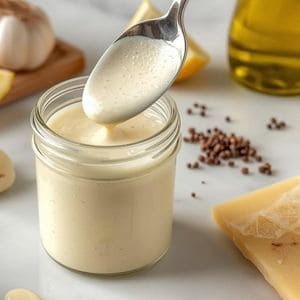
Ditch the Bottle: Why Homemade Caesar Dressing Reigns Supreme
For lovers of classic Caesar salad, the dressing is more than just an accompaniment; it's the heart and soul of the dish. Yet, many of us settle for store-bought versions, often laden with preservatives, artificial flavors, and a distinct lack of the vibrant, fresh taste we crave. Imagine a homemade caesar dressing recipe that's not only superior in flavor but also incredibly easy, completely safe, and wonderfully adaptable to any palate. It’s time to say goodbye to bland, bottled dressing and embrace the truly transformative power of making your own.
The journey to the perfect Caesar dressing is often a personal one. For some, it evokes memories of family dinners, like our own experience during a 2020 quarantine where Caesar salad became the nightly consensus. It was through this shared culinary adventure that we, like many home cooks, discovered that the "perfect" dressing isn't a rigid formula, but rather a customizable masterpiece. Whether you prefer it thick and creamy or light and vinaigrette-like, the beauty of homemade lies in your control. The best part? You can achieve all this without the common concerns associated with traditional raw egg recipes.
Safety & Simplicity: Crafting a No-Egg Caesar Dressing
Traditionally, raw eggs are a key component in many classic Caesar dressing recipes, prized for their ability to create a rich, emulsified texture. However, the presence of raw eggs introduces legitimate concerns about foodborne illnesses like salmonella, particularly for vulnerable groups such as pregnant individuals, young children, the elderly, or anyone with a compromised immune system. This safety risk often deters people from attempting homemade versions, pushing them towards less flavorful store-bought alternatives.
The good news is that you can achieve a delightfully creamy, rich, and stable Caesar dressing without a single raw egg. In fact, bypassing raw eggs offers several benefits:
- Enhanced Food Safety: Eliminates the risk of salmonella, making your dressing safe for everyone to enjoy.
- Extended Shelf Life: Dressings made without raw eggs typically last longer in the refrigerator, often up to three days, allowing for convenient make-ahead preparation.
- Effortless Creaminess: Achieving that desired silky texture is surprisingly simple. Mayonnaise, made with pasteurized eggs, is a fantastic substitute, lending immediate creaminess without the risk. Even a few tablespoons can transform the consistency.
- Natural Emulsification: Ingredients like Dijon mustard and a good quality extra virgin olive oil are powerful emulsifiers on their own. They help bind the ingredients together, creating a stable and cohesive dressing even without mayo, if you prefer a lighter consistency.
This ingenious approach ensures that no one has to miss out on the unparalleled flavor of homemade Caesar dressing due to health concerns. It's a win-win for taste and well-being.
The Unsung Heroes: Anchovies and Parmesan
While the absence of raw eggs makes homemade Caesar safer, certain ingredients are non-negotiable for that authentic, unforgettable flavor. Foremost among these are anchovies and Parmesan cheese, two powerhouses that deliver depth and complexity that cannot be truly replicated.
The Umami Magic of Anchovies
Many people express hesitation, or even outright aversion, to anchovies. Images of salty, hairy fish often deter them, but in a well-made Caesar dressing, anchovies perform a culinary disappearing act. When finely minced or blended, they melt into the dressing, infusing it with an incredible salty, savory, and profoundly umami-rich punch. They don't taste "fishy" in the way one might expect from eating them whole; instead, they provide a crucial foundation of savory depth that defines classic Caesar. Trust us on this one: a Caesar isn't truly a Caesar without them.
However, if you absolutely cannot bring yourself to use anchovies, or if you're preparing a vegetarian meal, there are thoughtful alternatives:
- Worcestershire Sauce: A teaspoon of Worcestershire sauce can offer a similar savory and tangy profile. It's important to note that most traditional Worcestershire sauces do contain anchovies, but in such a small, processed amount that the flavor is imperceptible and often acceptable even to the squeamish.
- Vegan Worcestershire Sauce: For strict vegetarians or vegans, a vegan Worcestershire sauce is an excellent anchovy-free option that still delivers a robust savory depth.
Exploring these alternatives allows you to tailor your caesar dressing recipe to your specific dietary needs or preferences without sacrificing too much of that essential flavor profile.
The Essential Role of Parmesan
Beyond anchovies, a generous hand with good quality Parmesan cheese is absolutely crucial. Forget the pre-grated green shaker stuff; for authentic flavor, you need freshly grated Parmesan Reggiano. Its salty, nutty, and slightly sharp notes are integral to the dressing's character, adding another layer of savory richness and a delightful textural element. It's a non-negotiable component that elevates the entire dish.
Tailoring Your Caesar: Adaptability is Key
One of the greatest advantages of making your own caesar dressing recipe is the unparalleled control you have over its final taste and texture. This adaptability ensures that your homemade version will always be "just right" for you and your family.
Achieving Your Ideal Consistency
Do you prefer a thick, almost spoonable dressing, or a lighter, more vinaigrette-like drizzle? You can easily adjust this:
- For a Thicker, Creamier Dressing: Incorporate 2-3 tablespoons of good quality mayonnaise. This adds viscosity and richness instantly. You can also add a pasteurized egg yolk if you like an even richer, thicker consistency.
- For a Lighter, Tangier Dressing: Focus on a higher ratio of extra virgin olive oil and a bit more lemon juice. Dijon mustard also aids in emulsification and adds a pleasant tang without needing the extra richness of mayo.
Flavor Customization
Beyond texture, you can fine-tune the flavor balance to your liking:
- Garlic Intensity: Start with one clove of fresh garlic, then add more if you desire a bolder, more pungent kick. For a milder garlic flavor, you could even try roasting a clove before adding it to the dressing.
- Tang & Zest: Lemon juice is essential for brightness. Add it gradually and taste as you go. A touch more Dijon mustard can also boost the tang.
- Spicy Kick: For those who enjoy a little heat, a tiny pinch of red pepper flakes can add a subtle warmth without overpowering the other flavors.
- Herbal Notes: While not traditional, a hint of fresh parsley or chives can add another layer of freshness, especially if you're serving the dressing with something other than a classic salad.
The Blender Advantage
Forget whisking tirelessly. The simplest and most effective way to make your homemade Caesar dressing is with a blender or food processor. Just toss all your ingredients in, blend until smooth, and you're done in mere seconds. This method ensures a perfectly emulsified and creamy consistency every time, making the entire process quick and hassle-free.
Conclusion: The Only Caesar Dressing Recipe You'll Ever Need
Stepping away from store-bought Caesar dressing and embracing a homemade approach is a revelation. This homemade caesar dressing recipe delivers on all fronts: unparalleled fresh flavor, complete safety without raw eggs, and incredible adaptability to suit every preference. With core ingredients like garlic, anchovies, and quality Parmesan, and the flexibility to adjust creaminess, tang, and zest, you'll create a dressing that truly elevates any salad. So, gather your ingredients, fire up your blender, and prepare to discover a Caesar dressing that's not just better than store-bought, but perfectly yours.
